Language Delays & Developmental Language Disorders
If you have questions about your child's language development, an assessment can help you understand their strengths, identify areas where support may be beneficial, and determine appropriate next steps. Book a free consultation and let's get started together.
Signs of a Language Delay or Language Disorder
Every child develops at their own pace. But a few patterns are worth a second look, especially if they hang around longer than expected.
These milestones are general guidance, not a diagnosis. Hearing should also be considered as a factor whenever language development is delayed.
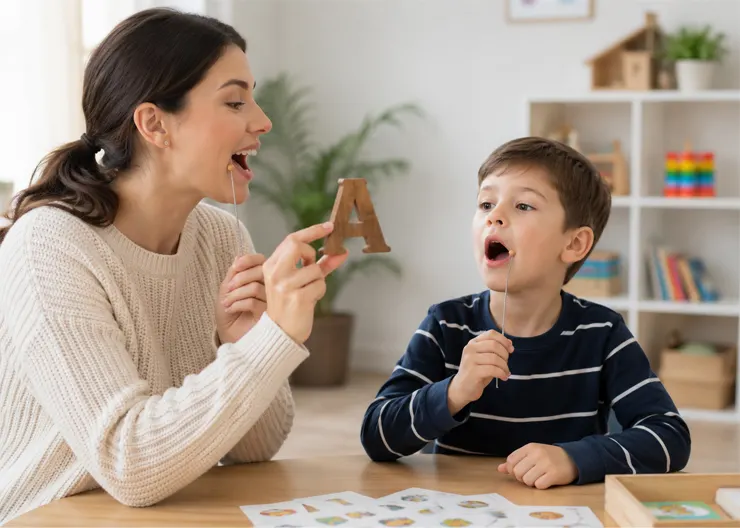
Language Delay vs. Language Disorder: What's the Difference?
These two terms get mixed up a lot, so here's the plain version.
Late Language Emergence
A young child is developing spoken language later than expected. Some children catch up, while others continue to experience language difficulties. An assessment and ongoing monitoring can help determine what support may be helpful.
Language Disorder
A child has ongoing difficulty understanding and/or using language in ways that affect everyday communication, learning, or participation. The nature and impact of these difficulties vary from child to child."
Neither one means something's wrong with your child. Both just tell us where to start.
Understanding Developmental Language Disorder (DLD)
Developmental Language Disorder (DLD) affects how children understand and use language. With appropriate support, children can continue developing stronger communication skills, confidence, and participation across home, school, and community settings.
Expressive Language Disorder
Help your child express thoughts clearly, build stronger sentences, use words confidently, and communicate with less frustration.
Receptive Language Disorder
Support helps children understand language, follow directions, answer questions, and participate confidently at home and in the classroom.
Expressive Language Difficulties
Your child’s understanding is developing well, while speech needs extra support to build confidence and communication skills.
Receptive Language Difficulties
Support your child’s language development with playful therapy that builds understanding, listening skills, and confidence at their own pace.
DLD and Other Developmental Conditions
DLD is diagnosed when language difficulties aren't explained by another known biomedical condition.
Autism, Hearing Loss, or Intellectual Disability
May involve a language disorder tied to that condition.
Genetic Syndromes or Neurological Conditions
Language difficulties may occur alongside these diagnoses.
ADHD and Dyslexia
DLD often co-occurs with these, without one causing the other.
Motor and Speech Sound Difficulties
DLD can co-occur with coordination or speech sound challenges.

Our Therapy Approach
We build every session around your child, not a workbook. Real toys, real games, real conversations, so children can practise communication through meaningful and engaging activities.
Our approach may include:
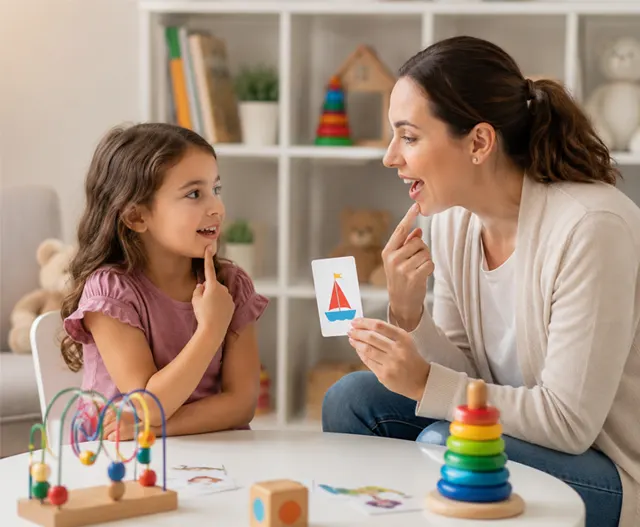
What Happens During the Assessment
Understand your child’s communication needs through a supportive assessment that identifies challenges and creates a personalized therapy plan.
01
Parent Interviews
We get to know about your child’s communication history, development, strengths, challenges, and your goals for therapy.
02
Clinical Observation
We observe how your child communicates during natural interactions, play, and everyday activities.
03
Play-based Activities
We use engaging, age-appropriate activities to understand your child’s speech, language, and communication skills.
04
Communication Samples
We evaluate how your child uses language during real conversations and interactions.
05
Standardised Assessments When Appropriate
We may use evidence-based assessment tools to gain additional insight into your child’s communication abilities.
What Progress Actually Looks Like
Progress looks different for every child. Depending on your child's individual goals, therapy may support growth in areas such as.
Understanding Questions and Directions
Participating in Classroom and Family Routines
Combining Words and Building Sentences
Sharing Experiences and Ideas
Expressing Needs and Preferences
Learning and Using New Vocabulary
Why Families Choose Aria Integrated Care

Therapy Where Your Family Needs It
We make pediatric speech therapy accessible with in-home visits across Greater Vancouver and secure virtual sessions across British Columbia.
In-Home Therapy
Sessions happen right in your living room, with your child's own toys. It's comfortable, and it's easy for a sibling or partner to join in and learn too.
Virtual Therapy
Families anywhere in BC get the same expert care over a secure video call. No drive, no waiting room, no scrambling around nap time.
Frequently Asked Questions
Find answers to common questions about language delays, assessments, therapy, and how we support your child’s communication development.
Your Child's Voice Starts Here
Whether you have recently noticed a concern or your child has experienced ongoing language difficulties, an assessment can help you understand their communication profile and identify the most helpful next steps.